
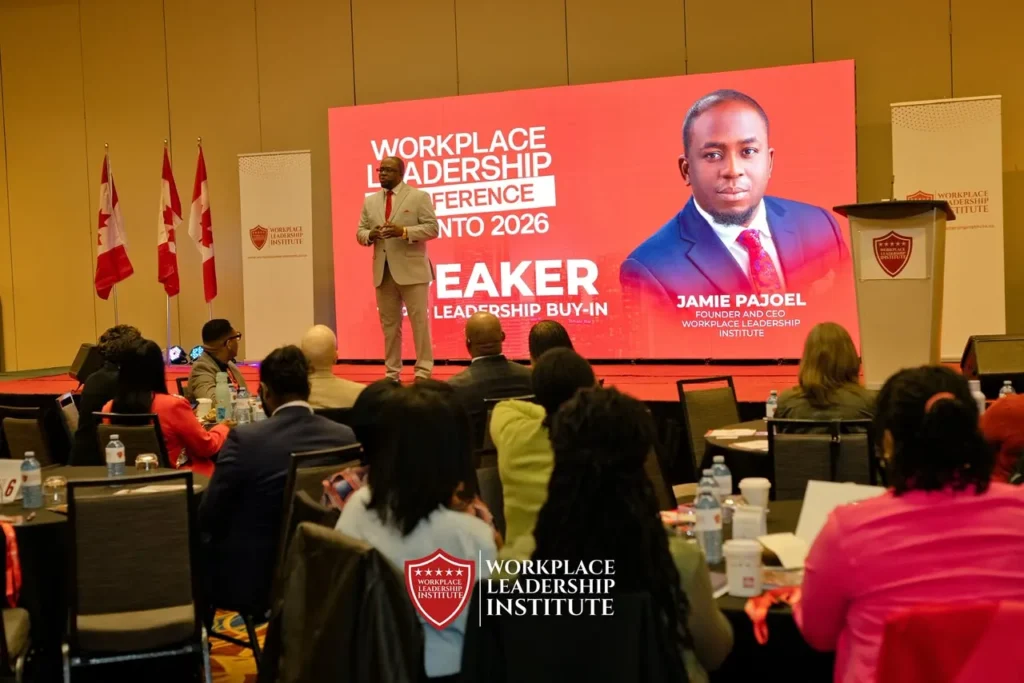
As a leader, having the ability to effectively engage in an executive conversation is essential. Moving seamlessly from that initial talk that establishes human connection to the strategic dialogue that drives organizational direction defines great leadership. Each level of interaction serves a distinct purpose, and when a leader gains mastery across these levels, they distinguish themselves as an exceptional communicator.
Level One: Building Connection Through General Dialogue
The foundation of every strong professional relationship begins with a simple exchange—topics like the weather, shared interests, current events, or general business context. Although this introductory level is sometimes dismissed as unnecessary, it creates the initial ease and goodwill upon which deeper, strategic interactions depend.
Leaders who master this initial phase of an executive conversation demonstrate genuine curiosity. They ask questions from a position of real interest, listen carefully to responses, and identify common ground that anchors the professional relationship going forward.
Level Two: Sharing Perspectives and Building Alignment
As professional relationships mature, interactions naturally move toward exchanging perspectives, analyzing trends, and discussing strategic viewpoints. This is where ideas are tested, assumptions are examined, and the foundations of organizational alignment are built.
Leaders who approach this stage with openness foster the kind of collaborative environment that generates high-level thinking. However, maintaining professionalism remains crucial. Over-sharing overly personal information can create discomfort and erode the healthy boundaries that sustain high-level business relationships.
Level Three: Deep Trust and Strategic Candor
The highest level of executive conversation is reserved for relationships that have earned deep trust through consistent, high-quality engagement over time. This tier is characterized by psychological safety, mutual transparency, and a willingness to address complex, sensitive issues directly.
At this stage, leaders engage in honest assessments of strategic risk, direct feedback about leadership effectiveness, and candid discussions around organizational direction. These high-stakes dialogues are invaluable to leaders who have invested the time and effort required to build strong professional rapport.
Key Takeaway
Mastering every stage of communication—from lightweight rapport building to high-level strategic alignment—is what separates standard management from true leadership.
For more practical strategies on communicating effectively and leading high-performing teams, read Better Managers, Better Workplace by Dr. Jamie Pajoel by CLICKING HERE